
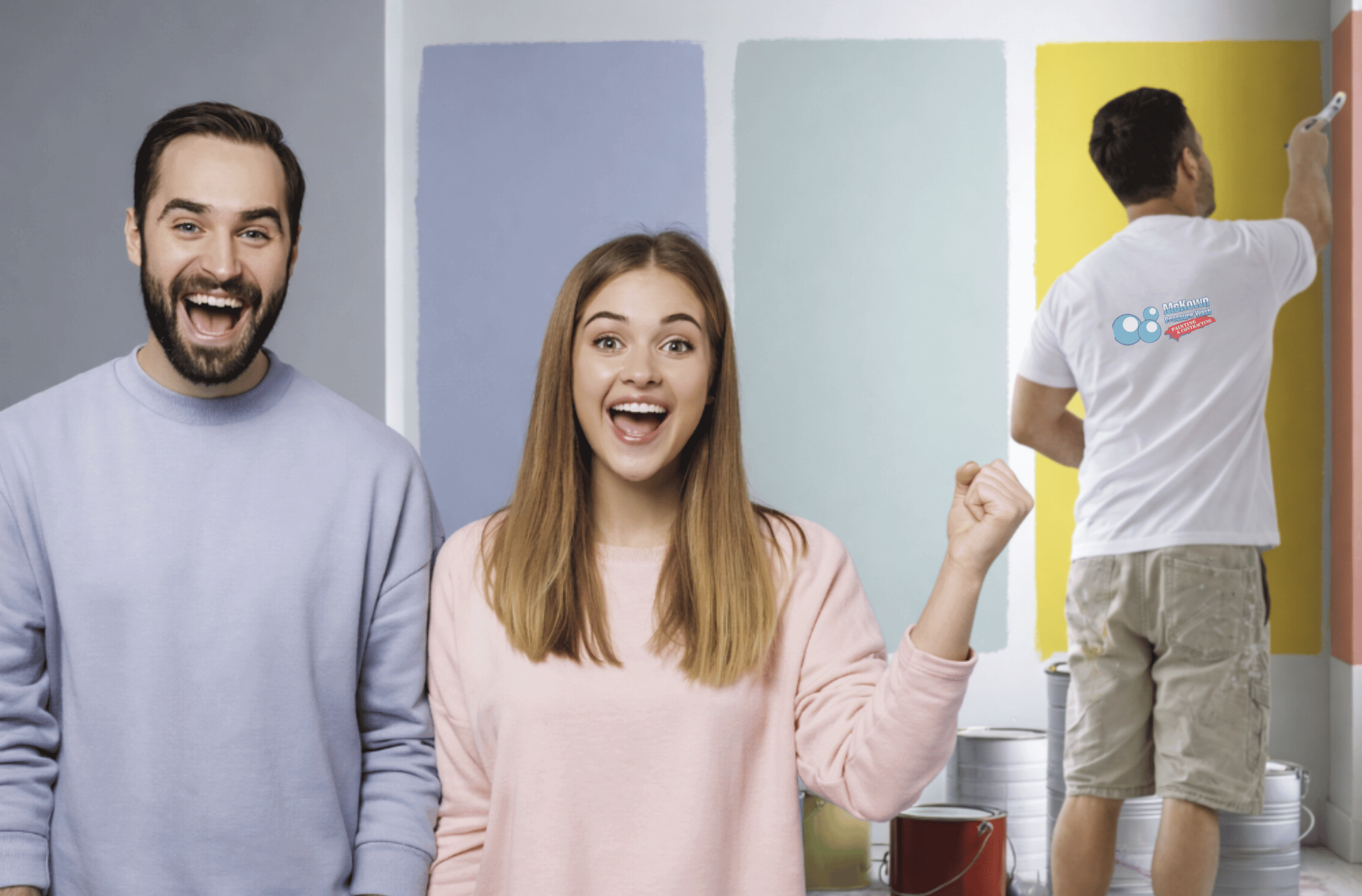
Tweak Your Attitude by Tweaking Your Paint Colors In Your Home
Direct Answer: How Do Interior Paint Colors Affect Your Mood?
Interior paint colors affect your mood, energy, and attitude while you’re in a space. Choosing the right colors can help you feel calmer, more focused, and emotionally balanced throughout the day.
Summary
Color is not just a design choice. It shapes how we experience our home every day. This article by McKown Pressure Wash, Painting, and Contracting shares how interior paint colors can influence your mood and why even small color changes can completely change how a room feels and functions! If your home feels uncomfortable or unbalanced and you can’t quite explain why, your paint color may be the reason.
Why Does Color Have Such a Strong Effect on Mood?
Color affects how the brain interprets a space before we consciously notice details like furniture or décor. Light reflection, warmth, depth, and contrast all influence emotional response. Because walls take up such a large visual surface, paint color sets the emotional tone of a room almost instantly.
That is why two rooms with the same layout, furniture, and lighting can feel completely different based on color alone.
Paint creates the emotional baseline of a space. Everything else builds on top of it.
Because paint color sets this emotional baseline, choosing the right shade involves more than personal preference. Lighting, undertones, and how a space is used all affect how color is perceived once it is on the wall. If you are still narrowing down your options, our guide How To Choose The Right Paint Colors For Your Home walks through the practical steps homeowners should consider before committing to a final color.
What Mood Do Blue Paint Colors Create?
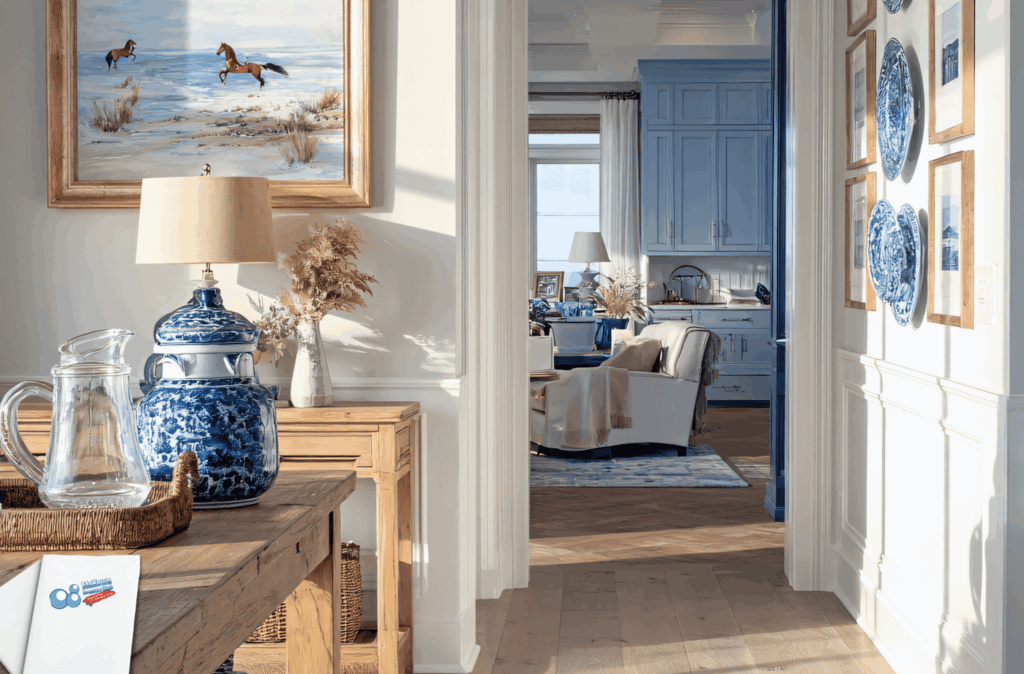
Mood effect: Calm, focus, and relaxation
Blue is strongly associated with calm and mental clarity. Lighter blues help spaces feel open and peaceful, while deeper blues create a grounded and more intimate atmosphere.
Blue works well in bedrooms, bathrooms, and home offices where relaxation or focus is important.
Because blue reduces visual tension, it is a strong choice for spaces that are used daily or meant to feel restorative.
How Do Neutral Paint Colors Affect How a Room Feels?
Mood effect: Calm, balance, and flexibility
Neutral colors such as warm beiges, soft grays, and off whites create a sense of stability and ease. They allow the eye to rest, which makes them ideal for living rooms, hallways, and shared spaces.
Neutrals work especially well in homes where rooms serve multiple purposes or where décor may change over time.
Undertones matter. Warm neutrals tend to create a calmer, more relaxed emotional response, while cooler neutrals can produce a sharper, more alert state of mind. When undertones clash within a space, they can negatively affect your attitude, leaving you feeling uncomfortable, disconnected, or unmotivated without realizing the paint color is influencing how you feel.
How Do Warm Paint Colors Like Yellow and Red Impact Energy Levels?
Mood effect: Energy, warmth, and stimulation
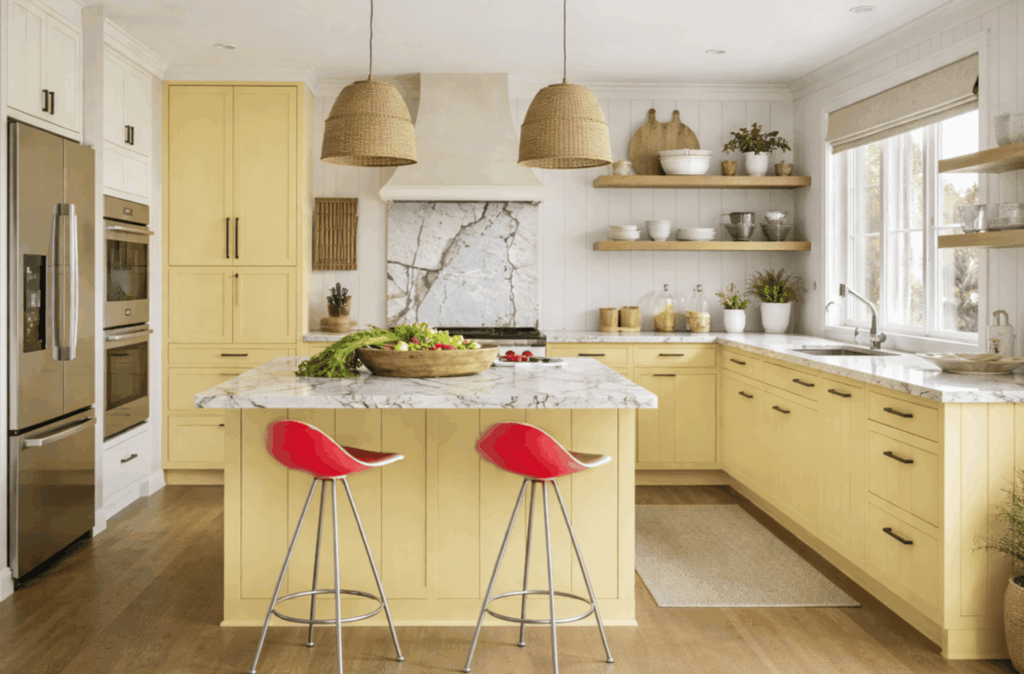
Warm colors naturally energize a space. Soft yellows can feel cheerful and uplifting, while deeper reds and oranges increase activity and engagement.
These colors work best in kitchens, dining areas, or as accent walls in spaces designed for conversation and movement.
When used too heavily or in the wrong lighting, warm colors can feel overwhelming, which is why balance and placement are important.
Why Are Green Paint Colors Popular for Home Offices and Living Areas?
Mood effect: Balance, comfort, and restoration
Green sits comfortably between warm and cool tones, making it one of the most versatile interior colors. It is often associated with nature, balance, and emotional comfort.
Green works well in living rooms, home offices, and transitional spaces because it feels steady without becoming dull.
For rooms where people spend long periods, green supports focus and comfort without causing visual fatigue.
Can the Wrong Paint Color Make a Room Feel Uncomfortable?
When a color clashes with lighting, ceiling height, or the function of a room, it can make the space feel dark, tense, or unwelcoming without homeowners realizing why.
This is one of the most common reasons people feel dissatisfied with a room, even after updating furniture, flooring, or décor. The wrong paint color can quietly create negative emotional responses, affecting your mood and attitude while you’re in the room.
Paint color mistakes also lead many homeowners to repaint sooner than planned, which can increase overall project costs. If you are budgeting for an interior update, our guide What Goes Into The Cost Of Painting Your Home’s Interior explains how factors like prep work, paint quality, labor, and timing influence the total investment.
Why Does Local Experience Matter When Choosing Interior Paint Colors?

Homes in coastal areas such as Norfolk, Virginia Beach, and Chesapeake, Virginia often experience unique lighting conditions, humidity levels, and architectural layouts that directly affect how interior paint colors appear once they are on the wall.
Color selection and application go hand in hand, especially in homes with these conditions. Professional Residential Painting Services help ensure paint colors are applied correctly, finishes are chosen for durability, and the final result supports how you live in the space, not just how it looks.
Working with a Hampton Roads painting company like McKown Pressure Wash, Painting, and Contracting helps ensure color recommendations are based on real homes and real conditions, not just sample cards.
Conclusion: Why Tweaking Your Paint Colors Can Change Your Mood and Attitude
Paint color is not just about appearance. It shapes how you feel in your home every day. The right color can make a room feel calmer, brighter, more focused, or more welcoming without changing anything else.
Sometimes the biggest improvement does not come from a renovation, but from a thoughtful color change.
Tweaking your paint colors can genuinely tweak your attitude by creating spaces that support how you live, relax, and move through your home.
FAQ: Frequently Asked Questions
Does paint color really affect mood?
Yes. Paint color influences how the brain processes its surroundings, which can affect stress levels, focus, relaxation, and overall comfort.
What paint colors are best for creating a calm home environment?
Soft blues, greens, and warm neutrals tend to support a calmer, more relaxed emotional response in living spaces and bedrooms.
Can the wrong paint color quietly affect your mood and attitude?
Yes. When paint colors clash with lighting or room function, they can negatively affect your mood and attitude, leaving you feeling tense, drained, or uncomfortable without realizing the color is the cause.
Does lighting change how paint color feels in a room?
Absolutely. Natural and artificial lighting can dramatically change undertones and how intense a color appears once it is on the wall.
Ready to Update Your Interior Paint?
Sometimes the biggest shift in how your home feels comes from a simple change in color. The right interior paint can create calmer spaces, improve focus, and make your home feel more comfortable and inviting every day.
If you’re ready to refresh your space, McKown Pressure Wash, Painting & Contracting offers professional interior painting services tailored to your home, lighting, and lifestyle. McKown services homeowners throughout Hampton Roads, Virginia, including Williamsburg, Newport News, Yorktown, Hampton, Norfolk, Virginia Beach, Chesapeake, and surrounding areas.
Book your interior paint job now!
Email us for general information or questions at:
info@mckownpressurewash.com
Or Call: (757) 631-2127